




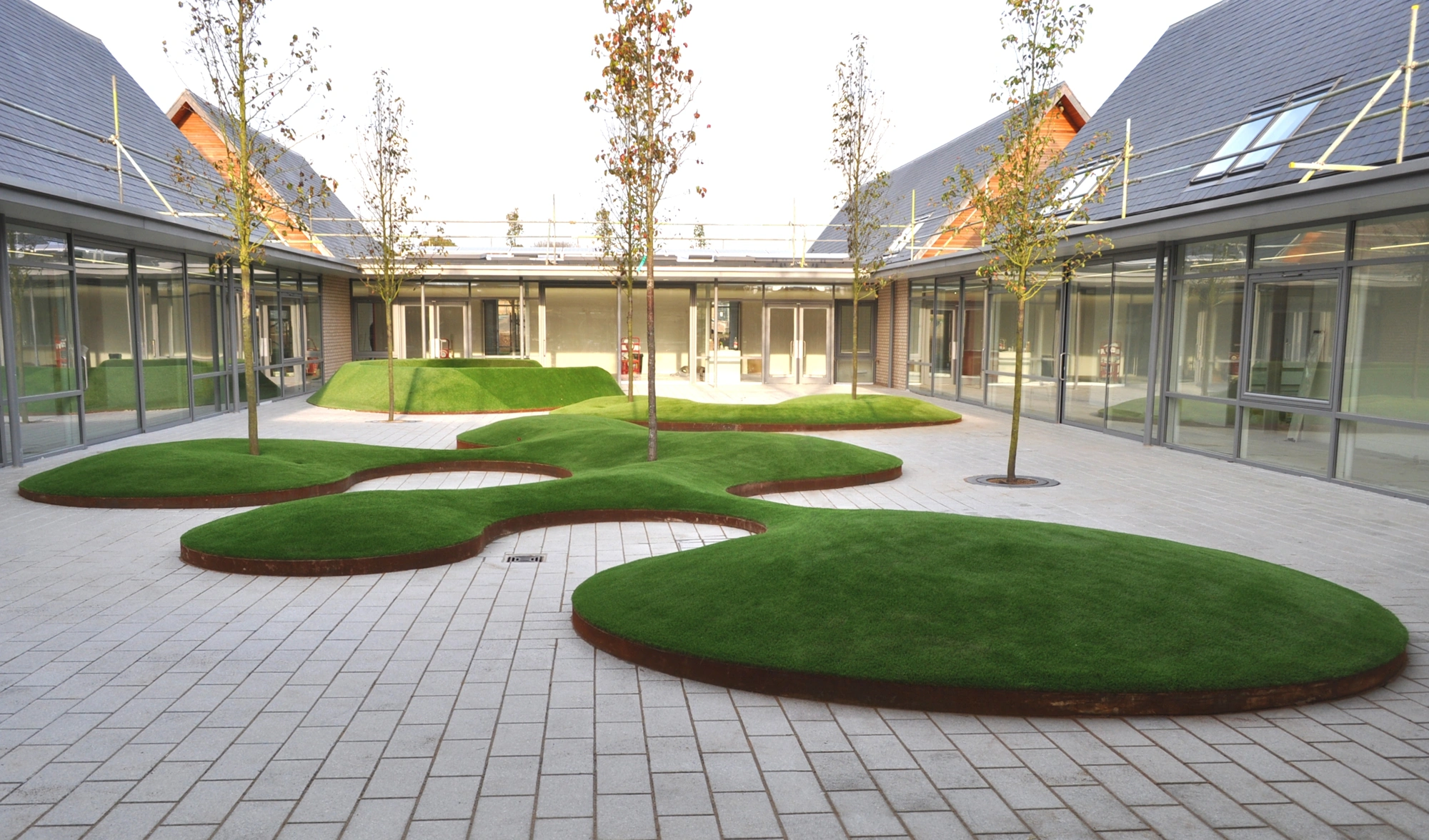
Maintaining a well-groomed yard is a testament to a homeowner's dedication to a beautiful outdoor space. Among the many techniques available for lawn care, edging stands out as a fundamental addition that adds a level of sophistication and refinement to your landscape.
Yet even though edging appears straightforward, its nuances are often underestimated, leading to mistakes that compromise both the visual appeal and the function of the lawn.
In this blog, we delve into three common edging mistakes and how you can avoid them for a long-lasting and well-maintained landscape.
Choosing the right material for your landscape edging significantly impacts both the functionality and aesthetics of your outdoor space. While materials like concrete and metal are commonly used, it’s important to consider their unique attributes.
Concrete edging is a popular choice due to its durability and versatility. It offers a clean, structured appearance, but it also has drawbacks:
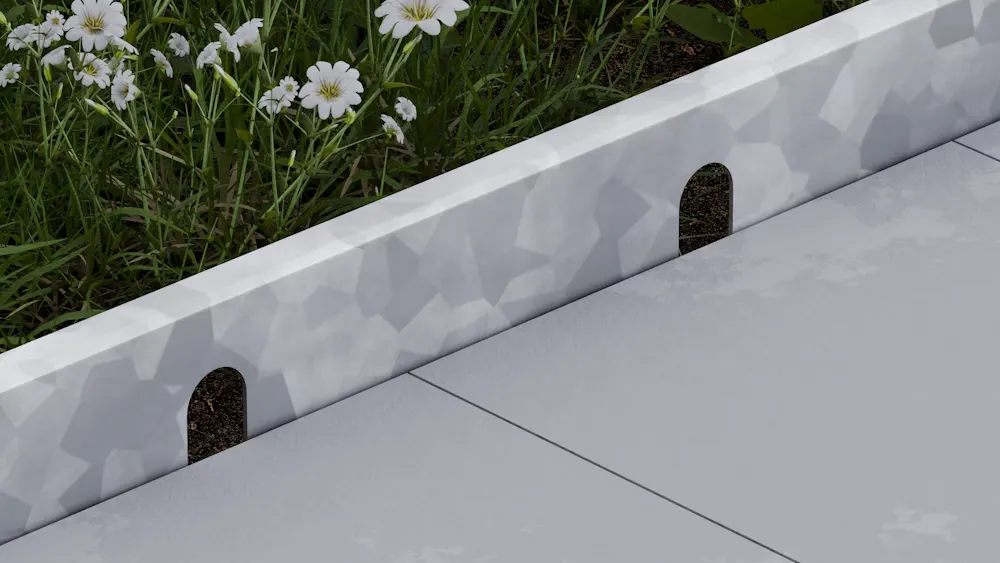
Metal edging—often steel or aluminium—offers several advantages:
Proper installation depth is essential to ensure edging functions correctly and enhances your landscape.
Installing edging too shallow can lead to:
Installing edging too deep may cause:
Generally, a depth of 2–4 inches works for most materials, but always check your product’s installation guide for best results.
Curves and corners add charm and fluidity to your landscape design.
Before installation:
When creating curves:

.jpg)
Get in touch with us today!