




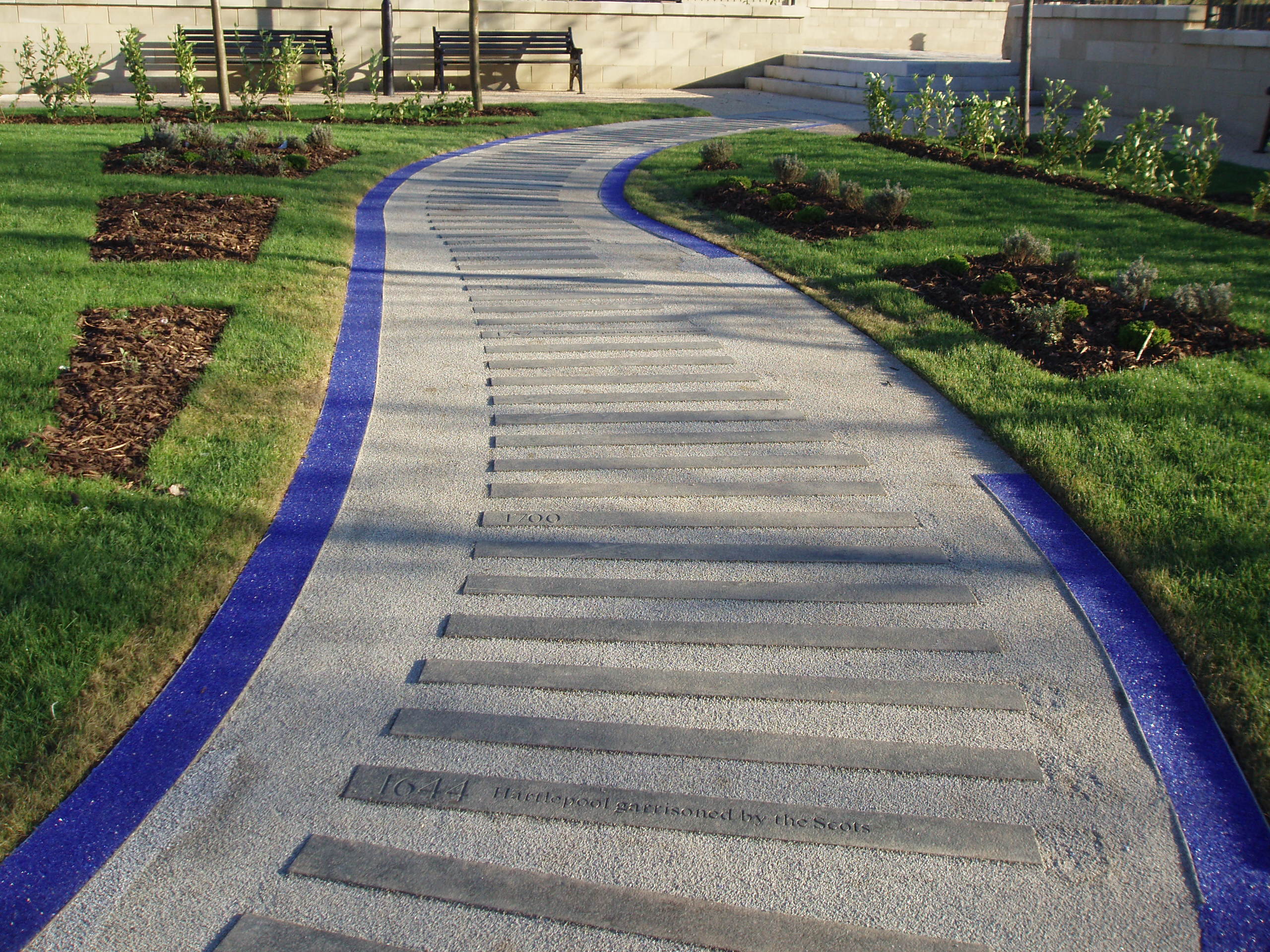
Your driveway is more than just a functional space; it's a crucial element contributing to your home's curb appeal. Properly edged driveways not only enhance the aesthetics but also help maintain the structural integrity of the pavement.
However, achieving the perfect driveway edging requires careful consideration and planning.
In this blog, we explore the dos and don’ts of driveway edging to help you avoid common mistakes and create a polished, well-maintained entrance to your home.
Opt for materials that complement your home’s design and can withstand environmental conditions. The key is choosing something that enhances appearance while offering durability.
Metal edging is a long-lasting and cost-effective choice — select steel or aluminium for a pristine driveway without heavy upkeep.
Ensure the edging is installed at the correct depth. It should sit deep enough to provide stability and support, but not so deep that it interferes with water drainage. Always follow manufacturer guidance for the ideal installation depth.
Carry out regular inspections to spot signs of shifting or damage. Address issues early by realigning or repairing the edging.
Routine cleaning and sealing will help prevent deterioration and extend its lifespan.
Use edging to define clear borders between your driveway and surrounding landscaping. This improves aesthetics and prevents mulch, soil, or gravel from spreading onto the driveway surface.
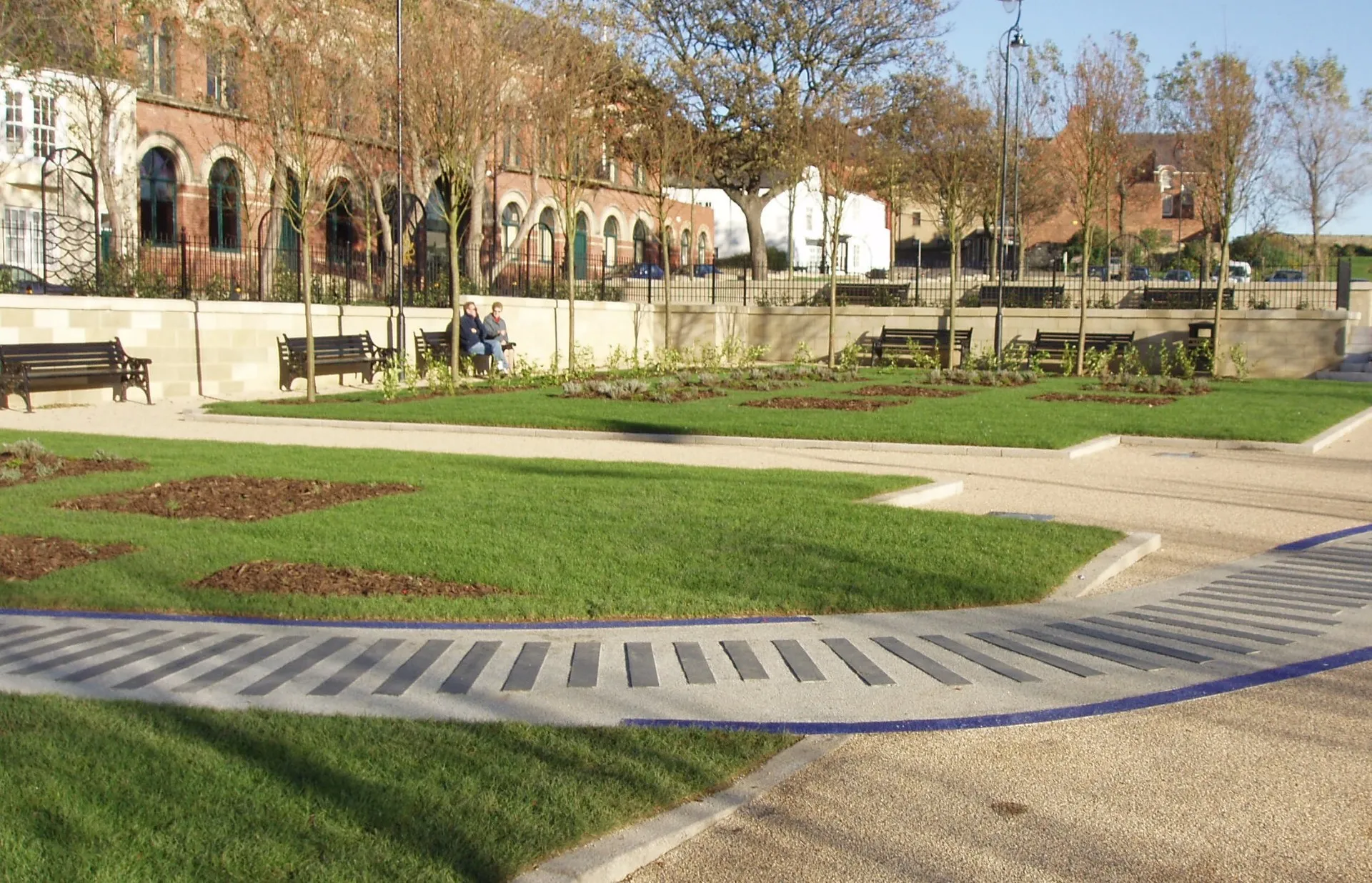
Straight lines can create a sleek, modern look, but curved edges offer a softer, more visually appealing result.
Curved edging complements the natural flow of your landscape and adds elegance to the design.
Buy Driveway Edging (button referenced in original layout)
A common mistake is overlooking drainage needs. Poorly designed or installed edging can trap water, causing long-term damage.
Make sure the edging allows water to run off correctly to avoid pooling and related issues.
Avoid materials unsuitable for your climate. For example, wood edging may fail quickly in damp regions due to rot. Research and choose materials that perform well in your environmental conditions.
Driveways naturally expand and contract with temperature changes. Skipping expansion joints can lead to cracking and damage.
Include expansion joints at proper intervals to accommodate thermal movement.
DIY can be tempting, but professional installation often delivers better results.
Incorrectly installed edging can shift, become uneven, and wear out quickly. Investing in professional support ensures longevity and stability.
If your edging requires fasteners, avoid low-quality options. Use strong, weather-resistant fasteners that can handle long-term stress and exposure.
Proper driveway edging is essential for a visually appealing, long-lasting exterior. By following these dos and don’ts, you can sidestep common mistakes and ensure your driveway edging performs well for years to come.
As a leading UK designer, innovator, and manufacturer of steel and aluminium driveway edging, we’re always happy to help. For more information on our full product range, inspiration for future projects, or technical resources, get in touch with our expert advisors today.

Get in touch with us today!