




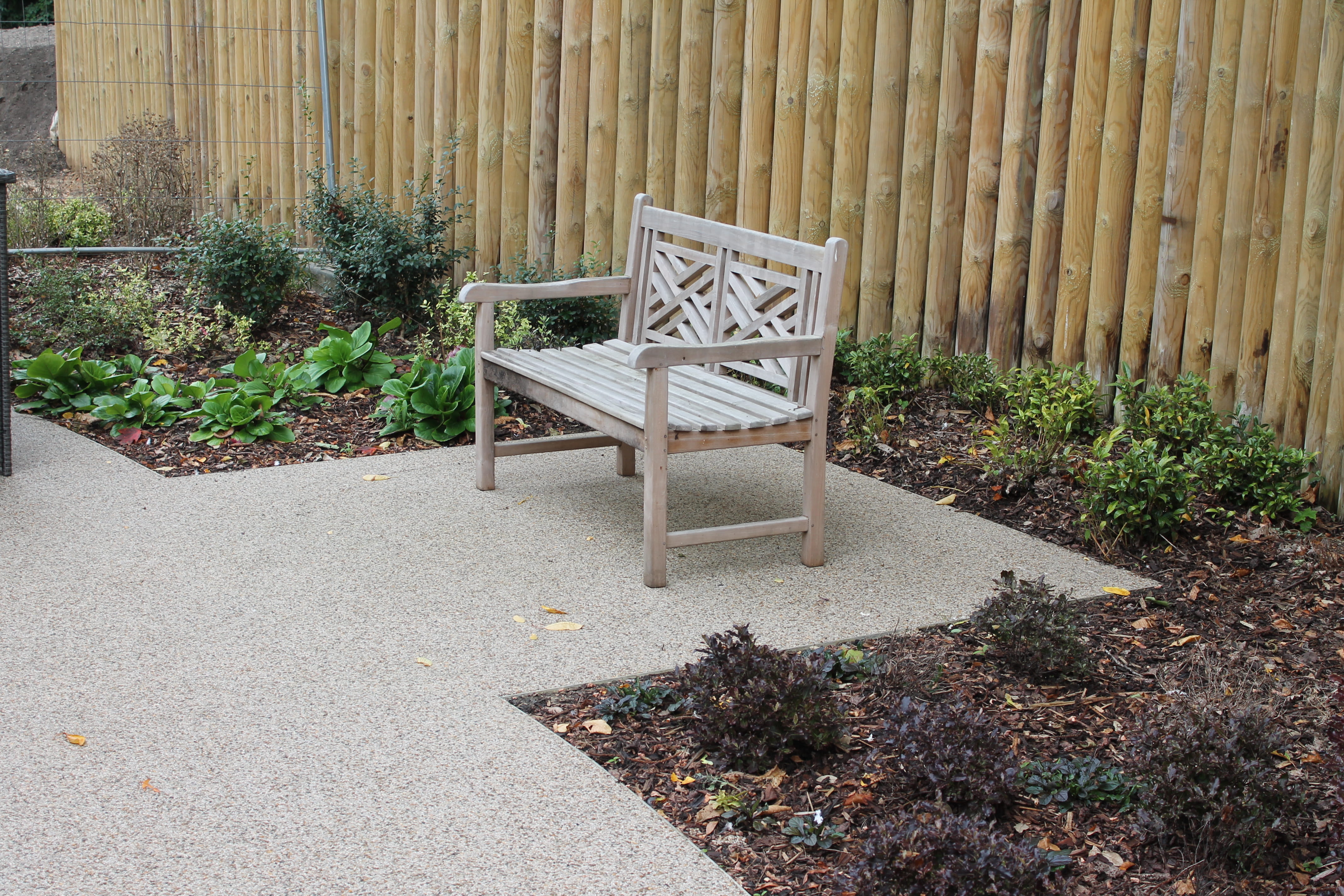
A well-designed pathway does more than guide you through a garden — it defines the character of your entire outdoor space. Whether you’re working with gravel, pavers, or stepping stones, the right landscape edging is essential to elevate both the look and performance of your walkway.
Edging keeps materials neatly contained, reduces maintenance, and adds a crisp, professional finish to any path.
In this blog, we explore why landscape edging is a key element in pathway design, compare popular materials like aluminium and steel, and share creative ideas to help you build a walkway that’s both beautiful and durable.
We’ll also cover practical installation tips, current garden design trends, and how metal edging can help you achieve a clean modern look. Whether refreshing an existing path or starting from scratch, let these ideas inspire your next landscaping project.
Landscape edging might seem like a small detail, but it plays a big role in how your pathways look and function.
Here’s why it matters:
Edging creates a clear line between your pathway and the surrounding garden, lawn, or flower beds. This makes the overall design feel intentional, structured, and well-organised.
Without proper edging, gravel, mulch, or soil easily shifts out of place. Edging keeps these materials contained, reducing maintenance and helping your path stay neat over time.
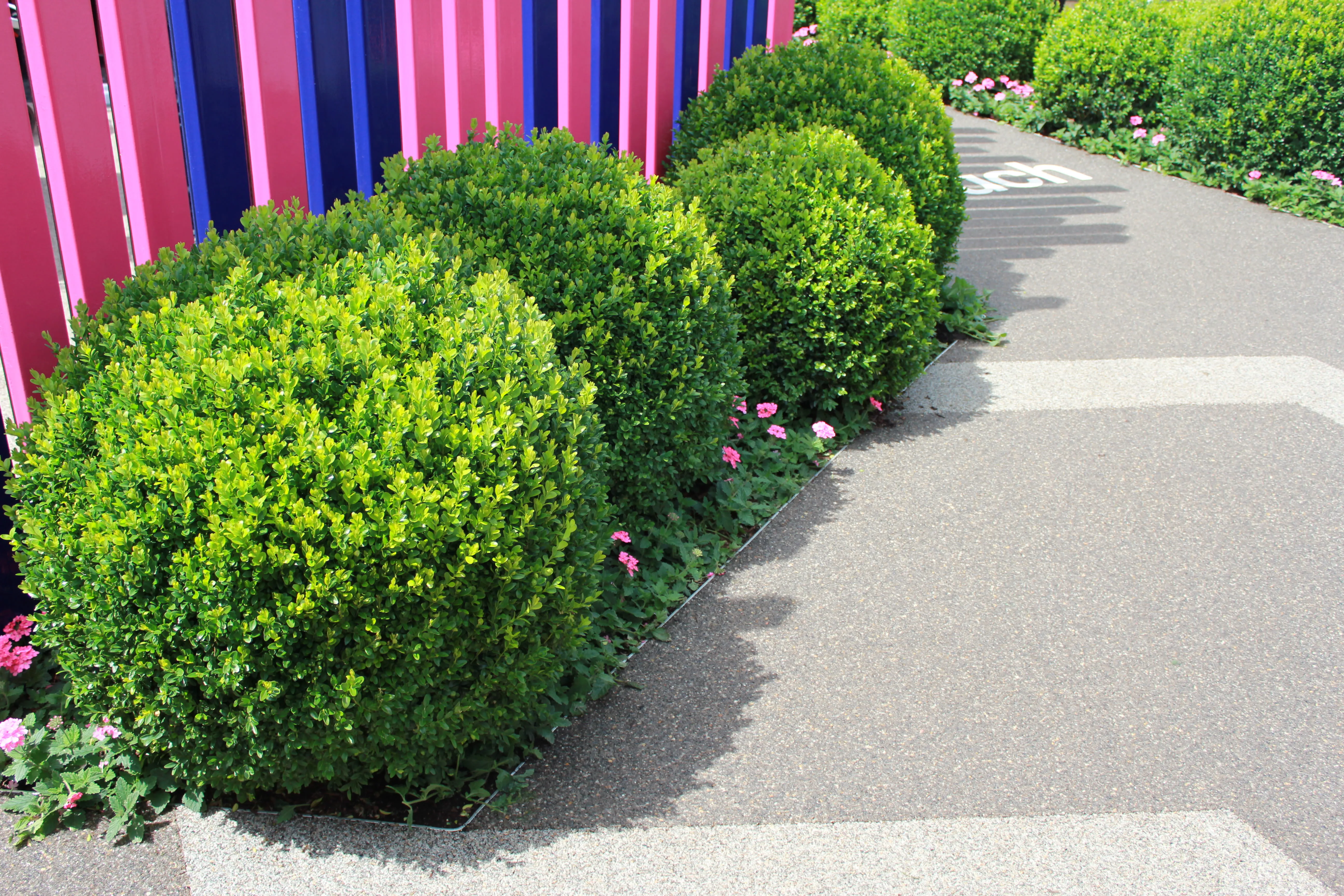
Edging adds a finishing touch that makes a path look crisp and professionally installed. Whether you prefer a straight modern line or a softer natural curve, edging elevates the entire landscape.
In short, good landscape edging does more than hold things in place — it brings structure, style, and long-term durability to your pathways and walkways.
When it comes to landscape edging, aluminium and steel are two of the most popular choices — and for good reason. Both offer durability, longevity, and a sleek appearance.
However, each material has its own distinct advantages.
Choose aluminium if you want flexibility and corrosion resistance. Choose steel if you want maximum strength and a bold, architectural edge.
Both options deliver excellent long-term results — the choice comes down to style, function, and site conditions.
Landscape edging doesn’t have to be boring — it’s an opportunity to customise your walkway and add personality. Metal edging allows you to shape paths into curves, angles, or natural flowing designs.
Here are some ideas to try:
Before starting your edging project, keep these practical points in mind:
Planning ahead ensures a smoother installation and a longer-lasting result.
Modern landscape design embraces clean lines, bold contrast, and simplicity — all of which metal edging supports beautifully.
Here’s how metal edging enhances modern landscapes:
Metal edging effortlessly ties together structure and style in contemporary garden spaces.
(Section introduces a visual call-to-action in CMS)
When it comes to creating pathways and walkways that endure, Kinley’s landscape edging offers a reliable and stylish solution. Designed for both form and function, it provides clean lines, long-term strength, and flexibility for a variety of garden and landscape settings.
Whether you choose aluminium for its ease and versatility or steel for its strength and modern appeal, Kinley’s edging is built to perform in every environment. It keeps materials in place, reduces maintenance, and maintains a professional finish year after year.
Explore Kinley’s full range of landscape edging products and get inspired to bring your outdoor vision to life.
%20(1).png)

Get in touch with us today!