




As urbanisation grows, sustainable stormwater management becomes increasingly important.
Climate change is bringing more intense rainfall, creating a greater need for effective water-runoff solutions.
Two leading approaches are rain gardens and Sustainable Drainage Systems (SuDS).
This guide explores how each works and helps you decide which is best for your project.
Rain gardens are shallow, planted depressions designed to collect rainwater from roofs, driveways and streets.
They use native plants that tolerate both wet and dry conditions, making them low-maintenance and excellent at filtering pollutants. When it rains, water flows into the garden where soil and plants absorb and filter it.
Rain gardens also add aesthetic appeal and support biodiversity by creating habitat for pollinators and other wildlife.
Sustainable Drainage Systems (SuDS) imitate natural drainage processes to manage surface water.
SuDS are designed to reduce flood risk, improve water quality and create greener environments by slowing and controlling water flow.
They often combine multiple techniques, such as:
SuDS can be tailored to the needs of any site, from small residential spaces to major commercial developments.
While both solutions help manage stormwater, they vary in scale, purpose and design.
Rain gardens are smaller, vegetated areas that collect and absorb runoff at ground level. They are positioned where water naturally gathers and help reduce flooding while filtering water through soil and plants.
SuDS use a wider range of techniques to manage surface water across larger areas. They are often applied at development scale, handling significant runoff volumes.
Rain gardens require:
SuDS are flexible and can be integrated into a wide range of urban and rural settings.
Both rain gardens and SuDS offer strong environmental advantages, but they each focus on different aspects of water management.
Costs and maintenance requirements vary depending on complexity and scale.
To choose the best option, consider site size, rainfall levels, runoff volume, climate and budget.
Both rain gardens and SuDS improve stormwater management, reduce flood risk, enhance water quality and support healthier environments. The right choice depends on project scale and performance needs.
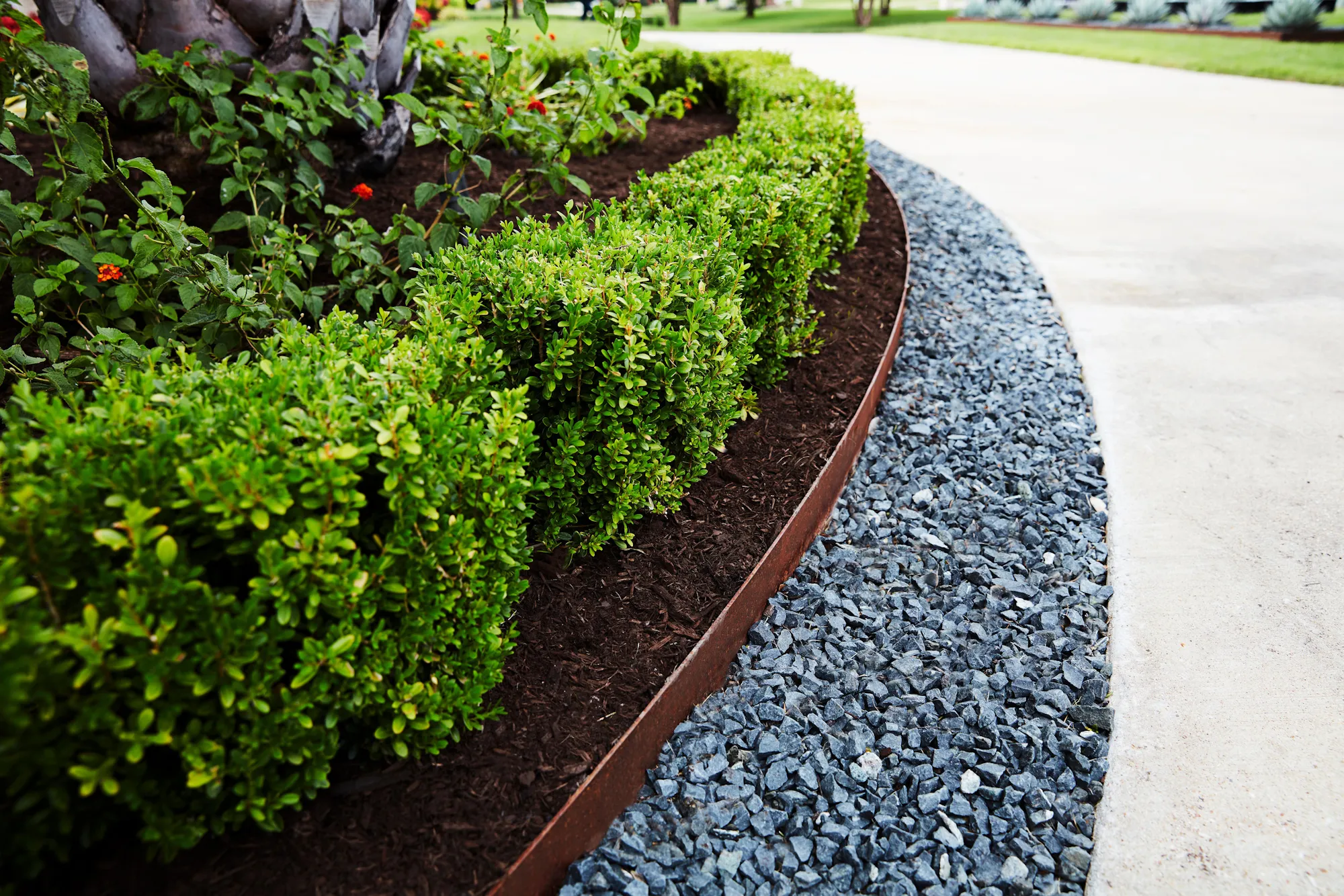
Growing demand for rain gardens has led Kinley to develop RainEdge, a specialist steel edging system designed to support drainage efficiency and plant growth.
RainEdge features integrated slots along the edging that allow water to flow directly from surrounding surfaces into the garden, improving infiltration and performance.
Get in touch with us today!